Lockouts · Smithville
Home Lockout Service in Smithville
You stepped out to grab the recycling bin and the door swung shut behind you. Through the glass you can see your keys hanging on the hook by the stairs, exactly where they always are, and the latch has caught.
Home Lockout Service
In plain words
Most lockouts end with the original lock still on the door and still working. That is the point of professional entry: picks, tension tools, decoders and latch tools are designed to operate the mechanism the way a key would, without cutting or prying anything. Drilling is reserved for cylinders that will not yield, and when it is the only route the locksmith says so before starting and fits a replacement cylinder in the same visit so you are never left with a hole where a lock used to be. You keep your hardware, your finish and your existing keys whenever the situation allows.
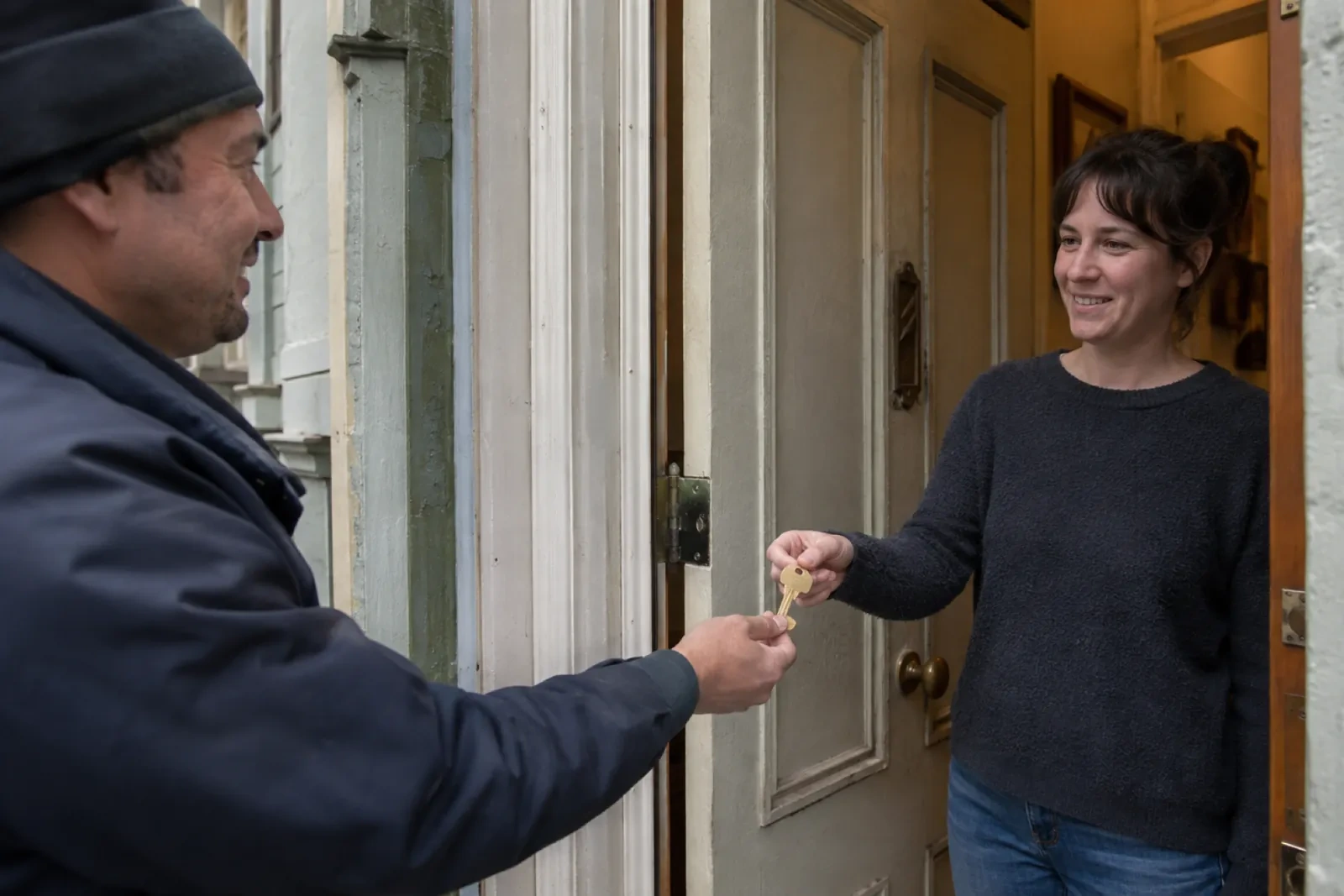
How the visit goesThe moving truck has left, half the boxes are inside, and the single key the previous owner handed over turns the knob but not the deadbolt. Someone locked it on the way out, and nobody has a key that fits it.
Smithville
How the visit goes
Reading the lock itself
Every lock announces what it is to someone who knows where to look. The shape of the keyway, the maker's mark on the face, the presence of a thumb-turn or a second keyed side, and whether the door has a separate deadbolt above a latching knob all tell the locksmith which family of hardware they are dealing with. A residential pin-tumbler cylinder, a mortise case in a century home, a restricted keyway with security pins and a keypad lock with a hidden override each respond to different techniques. Identifying the lock correctly before touching it is what makes a clean, non-destructive opening the usual outcome.
Freeing a frozen cylinder
Ice is handled with patience rather than force. The locksmith applies a lock de-icer or warms the cylinder face gently so the meltwater inside turns back to liquid and drains, then works the key or a pick in small movements until the plug turns freely. Hot water is never poured on the lock, because it refreezes in the keyway and can crack a cold cylinder. Once open, the cylinder is dried and given the lubricant that model's maker approves, a dry graphite, PTFE or specified liquid product, applied sparingly since too much can gum the mechanism. If the door itself had frozen to its weatherstripping, that seal is cleared and checked too.
A plan for the next time keys go missing
Most people leave a lockout with a resolution never to repeat it, and a few habits make that real. A spare key with a trusted neighbour or nearby relative is the classic answer. A small combination lockbox fixed somewhere discreet, with the code shared only with people you trust, is a step up and avoids the flowerpot and the door frame, which are the first places anyone looks. Households with keypad or smart locks can add a family member's code so a lost key is an inconvenience rather than an evening on the porch. The locksmith can fit a lockbox or program a code while still on site if you ask.
Home Lockout Service
In the van
- Strike plate and long hinge screws
- Replacement cylinder or deadbolt
- Dry graphite or PTFE lubricant
- Plug follower and repinning kit
- Plug spinner
What affects the quote
Same fees day, night or weekend
1Weather on the day
A cylinder frozen solid or a door iced to its frame takes patient thawing before any opening can begin, so a winter call in a cold snap is quoted with that extra time in mind.
2Whether the key is inside or lost
If the key is inside, the visit ends when the door opens. If it was lost out in the world, rekeying and fresh keys usually follow, and that is separate work priced on its own.
3Electronic lock work
A dead smart lock may need batteries, a reset, reprogramming of codes or pairing to your phone once the door is open. Each of those is a small task that the quote names separately.
Home Lockout Service: questions
What if the door is stuck rather than the lock?
This is more common than people expect, especially in older houses and at the change of seasons. A door that has swollen, sagged on its hinges or been pushed out of square by thick weatherstripping can pin the bolt against the strike so it will not draw back even with the right key. The locksmith relieves the pressure to free the bolt, then adjusts the strike, hinges or seal so the door closes and locks without a shoulder.
Will opening the door damage my lock?
In most residential lockouts the lock is untouched. Picking, decoding and latch tools operate the mechanism the same way your key does, so there is nothing to repair afterwards. A drill only appears when a cylinder is seized, plugged by a snapped key or engineered against picking, and you hear about that before it starts. Should it come to that, replacement hardware goes on before the locksmith leaves so you lock up normally that evening.
My key turns but the door stays locked. What is going on?
A key that spins freely without moving the bolt usually means the connection between the cylinder and the bolt has failed: the tailpiece or cam at the back of the cylinder has broken or slipped, or the internal parts of an older mortise lock have worn. The good news is that this is a hardware fault rather than a lost key, so once the door is opened the fix is a repaired or replaced cylinder and your keys keep working.
Lockout Services
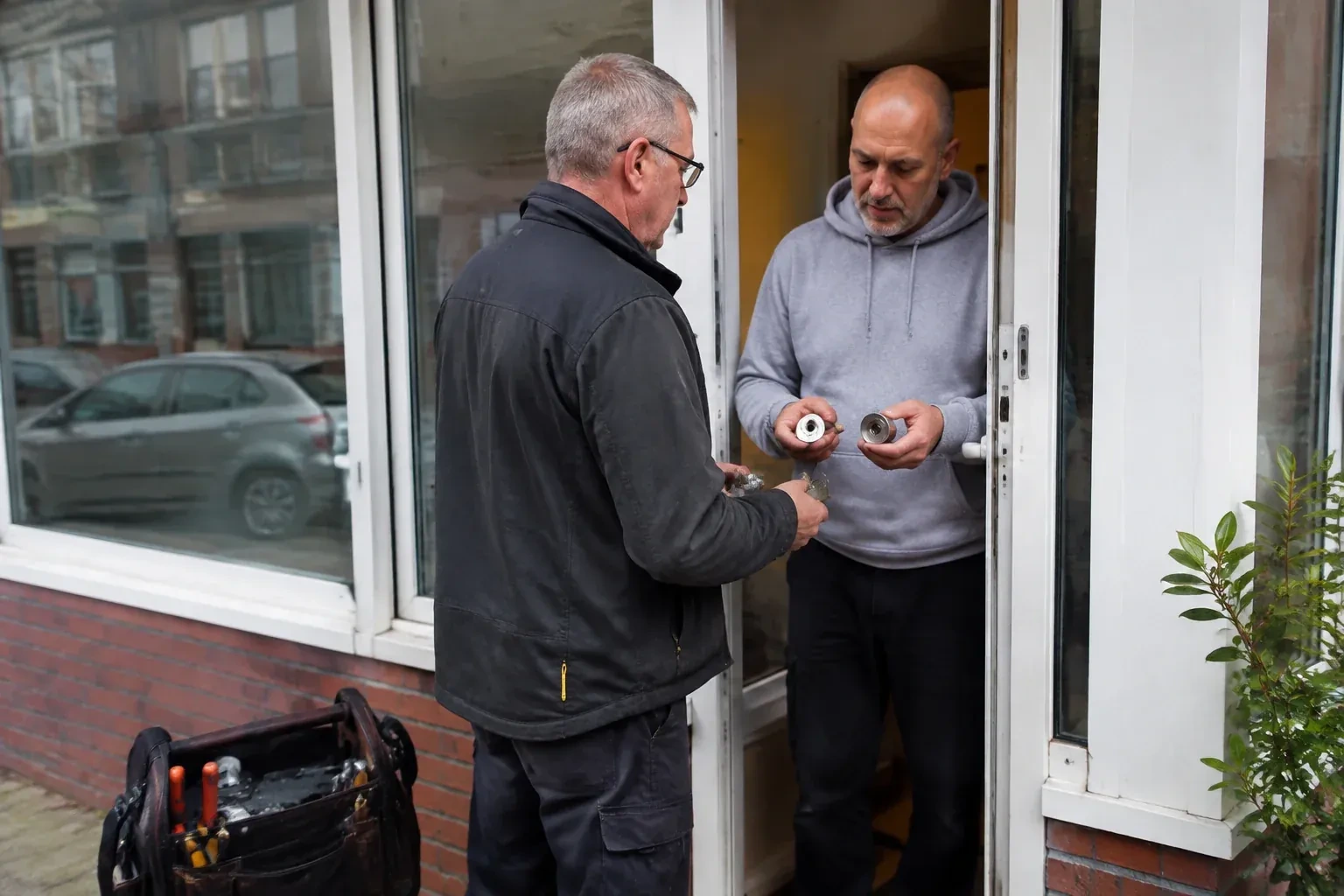
- Broken Key ExtractionThe key went in like any other morning, you turned it, and something gave with a small metallic…
- Break-In Damage Lock RepairYou came home to find the front door standing open.
- Seized & Jammed Lock OpeningThe old mortise lock on the front door of the house turns the key halfway and stops with a dull…
Home Lockout Service near you
The services offered in Smithville answer the questions a door eventually asks. Who else has a key? Why does the bolt drag? Would a stronger cylinder be worth it? Can staff leave without a key? How do I open the safe my father left? Each answer is on the pages below.